Sports Retail Group
Sporting Goods Stores
Helping brands enter sports retailers and sports nutrition outlets across the nation.
Read more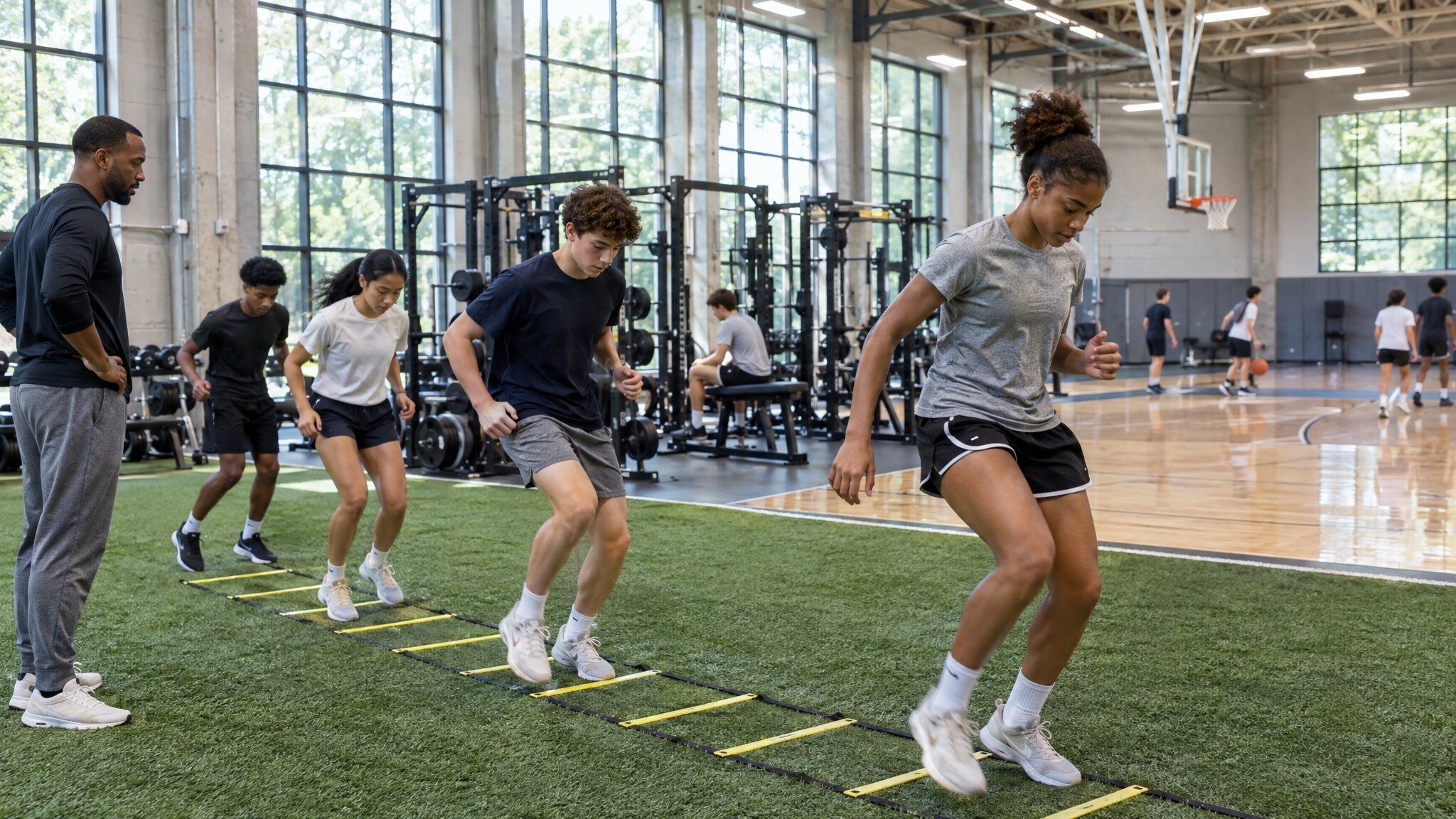
Sports Commissions Network
Project 01
A comprehensive resource connecting athletes, coaches and fitness enthusiasts with training facilities across the country.
The Sports Commissions Network is developing a dedicated website, SportsTrainingCenters.com, to serve as a comprehensive resource for sports training centers across the country.
This platform aims to connect athletes, coaches, and fitness enthusiasts with top training facilities that cater to various sports and fitness needs. The website will provide detailed information on training center locations, amenities, specialized sports programs, and expert coaching options.
By showcasing a diverse range of centers — from those run by private companies and public entities to facilities affiliated with pro sports teams and colleges — the site will make it easy for users to find a center that matches their specific athletic goals.
Additionally, SportsTrainingCenters.com will feature articles, resources, and tips on athletic training, positioning itself as a go-to hub for anyone looking to improve their performance or simply stay active.
GuideFour kinds of center
Parks and recreation departments often run community-oriented centers that provide affordable access to training resources, with programs that cater to youth and recreational athletes.
Private companies may establish high-end sports complexes that offer advanced training technologies and personalized coaching, often at a premium.
Pro sports teams sometimes develop their own training facilities, which serve both as professional hubs and community outreach tools, offering youth clinics and public programs.
Colleges and universities provide training facilities for student-athletes and host programs that benefit the wider community.
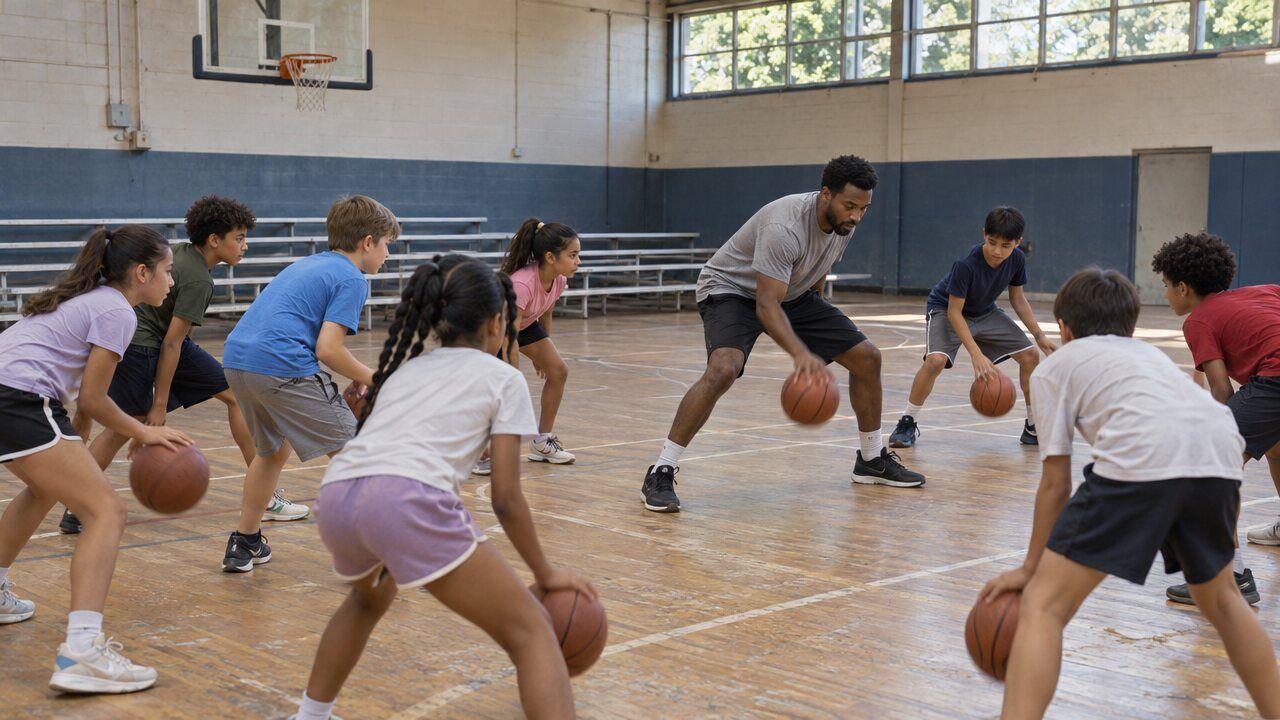
Sports training centers play a crucial role in enhancing the physical health, skill development, and community engagement of people across the country. Defined as facilities designed to provide structured environments for athletic training, these centers offer specialized equipment, expert coaching, and targeted programs for a variety of sports. They cater to athletes of all ages and skill levels, from beginners to elite competitors, and often emphasize fitness, injury prevention, and sport-specific skills.
Community sports training centers contribute significantly to public health by promoting active lifestyles and offering a safe, accessible space for physical development. They can foster a sense of local pride and unity by bringing people together to participate in and celebrate sports, helping to address the physical and mental health challenges many communities face.
This diverse network of sports training centers underscores their importance in fostering athletic skill, supporting public wellness, and developing future generations of athletes across the United States.
Sports Retail Group
Helping brands enter sports retailers and sports nutrition outlets across the nation.
Read moreFundraising · Sports Commissions Network
Fundraising solutions and travel support so young athletes can focus on playing the game.
Read morePiedmont Triad · North Carolina
A triathlon for Greensboro, Winston-Salem, High Point and the surrounding communities.
Read moreA new tourism board structure
A cohesive approach to tourism for Glamis, the Imperial Valley and the Salton Sea.
Read moreFrom the founders of Stuntman Foods
An action-packed competition for aspiring and seasoned stunt enthusiasts, coached by active stunt performers.
Read moreA documentary · Stuntman Foods & Stuntman Games
A documentary on the physical prowess, innovation and danger that shaped stunt work on film.
Read moreStuntman-inspired diet products
Products for peak physical performance, co-founded by active stunt performers.
Read more